The experiences shaping the following were primarily gained from shooter development (e.g.), so please take some of the concepts with a grain or two of salt when working another genre.
PvE vs PvP
As the names suggest, the core difference between Player-vs-Environment (PvE) and Player-vs-Player (PvP) gameplay is where the point of balance takes place. PvE typically depicts an asymmetric gameplay interaction, such as the player character versus a numerically superior adversary. As such, the elements of a sandbox don't need to be balanced for the gameplay to be. This lack of pressure on sandbox balance will often invite power mechanics (decisive weapons and abilities), which justify high impact at the cost of low-frequency use.
PvP, on the other hand, is a balance between player characters, which necessitates taking the experience of adversaries into account. This is where power mechanics break down, because decisive mechanics introduce asymmetrical engagements, disrupting the point of balance between individuals. Frustration may be inherent in competition due to skill, but designing mechanics that exacerbate it is not constructive.
Thus, a challenge is presented when PvE and PvP share the same sandbox, because it's often first designed within the PvE experience, as that's where the bulk of development is spent. Though fortunately, because the adversary's experience is meaningless in PvE, there are many more factors for tuning balance than just the sandbox. This means that if a sandbox is built within the constraints of PvP before implementing it in PvE, all parties should be happy.
Conceptualization
This is where balance begins, and a good first step is to write concepts out in detail when they're still fresh, before building anything in-engine. This makes it easier to quantify and make changes to your sandbox, as well as avoid sunk cost fallacies by keeping a focus on the bigger picture. Maintaining an emphasis on diverse content is also a great way to breed dynamic gameplay, so avoid justifying anything here for the sake of quantity.
- Realism: Keep in mind that while realistic functions may be an easy way to add depth and complexity to your gameplay, it's very easy to take that too far. Realism does not necessarily equate to fun, or balance, so don't be afraid to be a little "arcadey".
- Skillful Gameplay/Items: If this is a goal, make function more predictable by taking most, if not all, of the dice out of the equation. This, however, doesn't necessarily mean trading off difficulty of use.
- Pacing: Fast-paced gameplay can be fun, but allowing and not forcing players to think and outwit their enemies is often a great deal more so, so reaction times shouldn't be everything.
Artistic Direction
Creating a diverse sandbox is a tough task, and when your pieces are most often judged by how fun they are to use, rather than how original they are, it can also be a discouraging one. However, artistic styling can have a great impact on the frequency of use for an item, as both initial and continued utilization is based on perceived effectiveness, which can significantly differ from actual effectiveness. So, before considering buffing an item to improve how commonly it's used, first examine how it appeals both visually and audibly. The function is your product, but art is a major part of what sells it, so they should always have a close relationship with each other.
The role of each piece of content should also be apparent to the user without an explanation, so be sure to employ aesthetic cues to help give them an idea of what to expect.
Balancing PvP
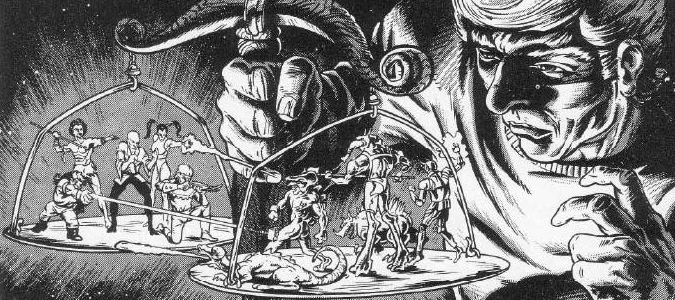
Gauging balance takes experience with the content, and a simple question that only seems obvious when described: Does this piece of content feel like it could be a little weaker, more effective, or both? The answer you should be looking for is "both". One might be surprised how often a piece that feels balanced is actually just something that feels satisfying.
Whenever introducing a new item to an existing sandbox, it's best to initially underpower it and work up from there. This can keep from upsetting the sandbox during testing, and it's always much easier to buff an item than it is to nerf it.
A role's weakness should also be more forgiving than decisive, and a good test of this is through playing out 1v1 encounters without respawns. When a player is desperate to survive, how dynamic can the encounter get? Any game can be fun if not taken seriously, so much of your job is to make it retain that value at high-level gameplay, where there are no holds barred and the objective is simply to win.
Lastly, the job of polishing balance should be left to just one person intimate with the sandbox, because a single perspective is critical for this cohesion.
PvP Level Design
My weakest competency here — don't take it too seriously.
The balance of a sandbox is dependent in part on its context, which is the job of your maps to varyingly create. The best place to start is with the flow and scale, rather than the actual geometry of your level, by drawing player trajectories with creative intersections that you only then build your features around. This helps in setting gameplay as the priority and avoiding extraneous complexities.
Flow habits will be based heavily on where players feel in control, meaning they'll seek predictive engagements, such as narrower fields of play where the variables are fewer. This can sometimes be counterintuitive, as such paths tend to generate the highest traffic, but predictability goes a long way in making one feel comfortable, regardless of effectiveness. However, alternate routes should not be omitted in design, or else combat will stagnate at choke points due to the lack of tactical diversity. So to ensure these less-linear alternatives maintain relevant flow, they must feature strong incentives.
Regularly running through your level will also be an important habit to adopt. Mentally play out encounters as you go, weigh each route's incentives, and pay particular attention to sightlines.
Playing fields should incorporate a variety of unique landmarks — not only to make key locations more enticing, but also to greatly simplify callouts.
Playtesting
If your playtests aren't embarrassing, you're doing them far too late; playtesting early in the development process allows you to nip problems in the bud — before you've invested too much into them. Remember sunk cost fallacies? Rebuilding or axing things only gets tougher as time goes on.
Whenever possible, PvP playtests should be recorded from opposing perspectives for review, as it offers a huge advantage in tuning the player experience. Testers should also be made aware of any significant changes once implemented, and you should be sure to personally partake in the gameplay following such change. The most common failing in balance judgement is simply inexperience with the content, so allow testers to get comfortable with the sandbox before taking their concerns too seriously. However, listening to a fresh perspective on your game can help you to improve that acclimation process for future players.
Playtesting is, of course, not only for tuning balance but also for finding exploits and bugs, which you're in a far better position to find than any individual tester will be. You know better than anyone else where and what to look for, because you know exactly what went into your content, so keep proactively testing in an attempt to break things.